

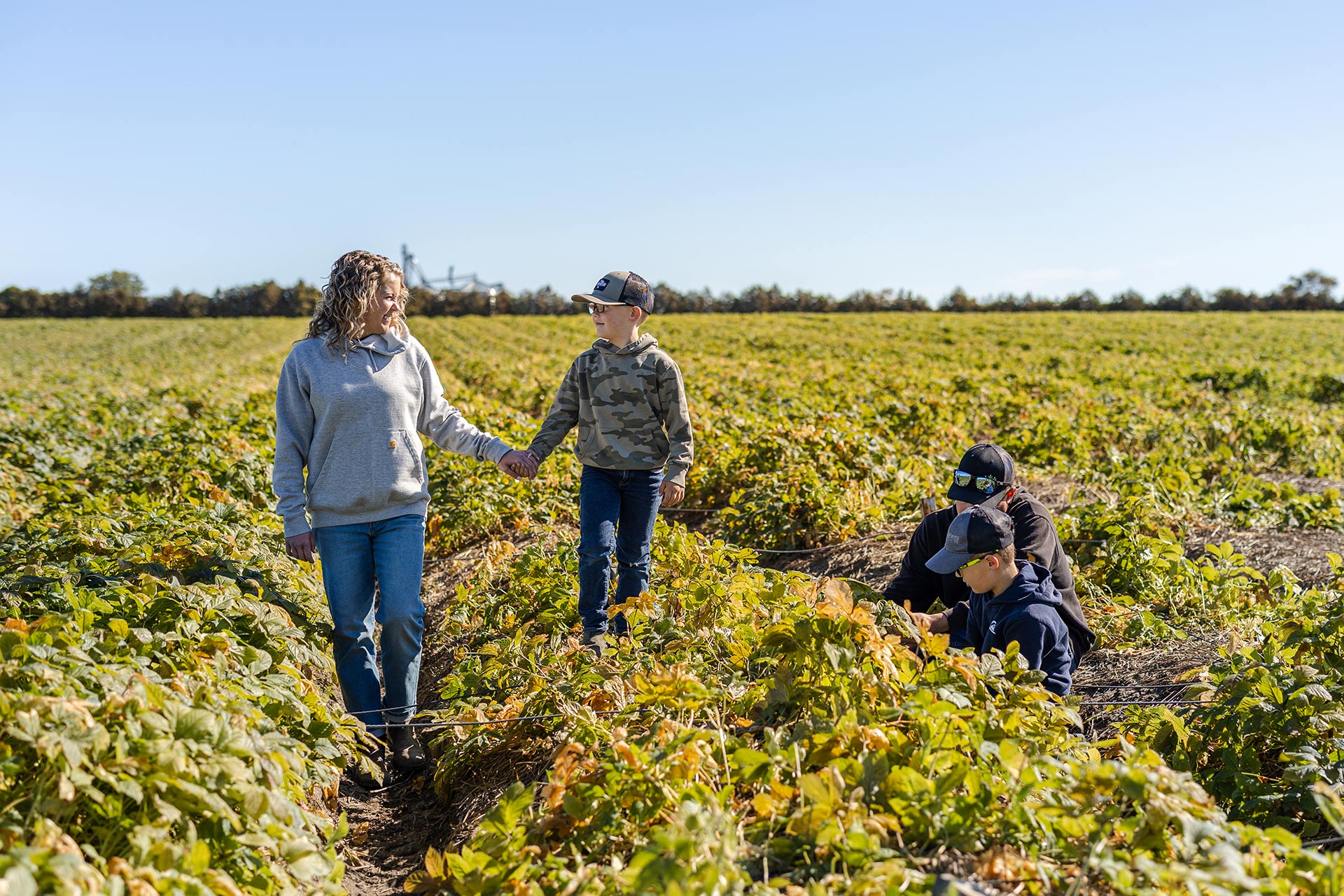
Farmer Name: Cindy Tota
Farm Name: Tota Farms
Farm Location: Burford, Ontario
Approximately how many acres are under your care?
Between the different parts of our business, we manage approximately 3,500 acres, including conventional and organic cash crops and ginseng.
How long have you been farming? Is this a family farm?
Our family farming story goes back to 1951, when my husband Tim’s parents, Stan, and Irene, started the business alongside Stan’s parents. I joined the family in 1989 when Tim and I got married, so I certainly can’t take credit for all that history! But I’ve been around long enough to see an awful lot of changes.
I was lucky enough to work closely with both of my in-laws. We lost Tim’s dad almost 11 years ago, but his mom is turning 95 this year and she still likes to know everything that’s going on around the farm. We can’t get too much past her!
Today, Tim and I are still very involved, along with his brother Ed and sister Janice. Our daughter Alicia and son-in-law Brian look after the conventional and organic cash crop side of the business, while Tim and I focus more on ginseng.
Why did you choose to grow ginseng?
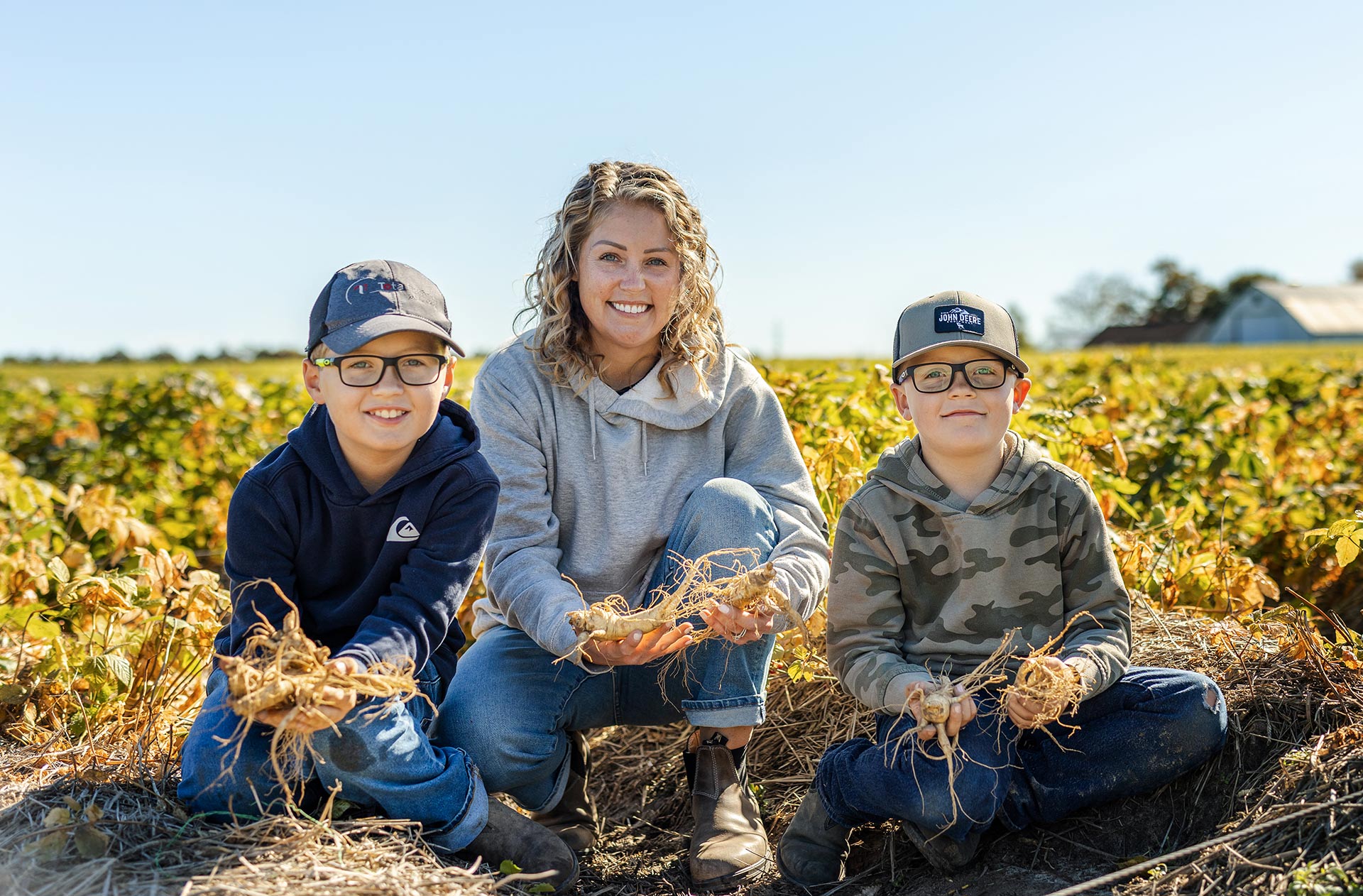
Tobacco was always the main crop at Tota Farms, long before we started growing ginseng. Eventually, we knew we needed to diversify, and we were looking at either chicken production or ginseng.
Chicken production would have required a substantial investment in quota, while ginseng fit well with what we were already doing with tobacco. So, we chose ginseng, and that’s really how our ginseng story started.
What unique challenges do ginseng growers face?
Tim likes to call ginseng “the plant that just wants to die.” And some days, I’d probably agree with him!
It’s an incredibly interesting crop, but it’s certainly not an easy one to grow. You wait years for a harvest, there’s a tremendous amount of labour and investment involved, and plenty of things can go wrong along the way.
But I think one of our biggest challenges today is what happens after we grow it. Ontario farmers are very good at growing high-quality ginseng, but we also need dependable markets and fair prices that reflect the years of work and risk involved in producing it.
We need more people to know about Ontario ginseng, understand its value and ultimately want to buy it.
How are you introducing ginseng to new consumers?
I’m actually a registered nurse, and I’ve always been interested in natural approaches to health and wellness. Ginseng has been valued in traditional Chinese medicine for more than 2,000 years, yet there are still so many people who know very little about it. I’d really love to help change that.
Years ago, diversification meant adding ginseng alongside tobacco. Today, for us, it also means finding new ways to introduce ginseng to people.
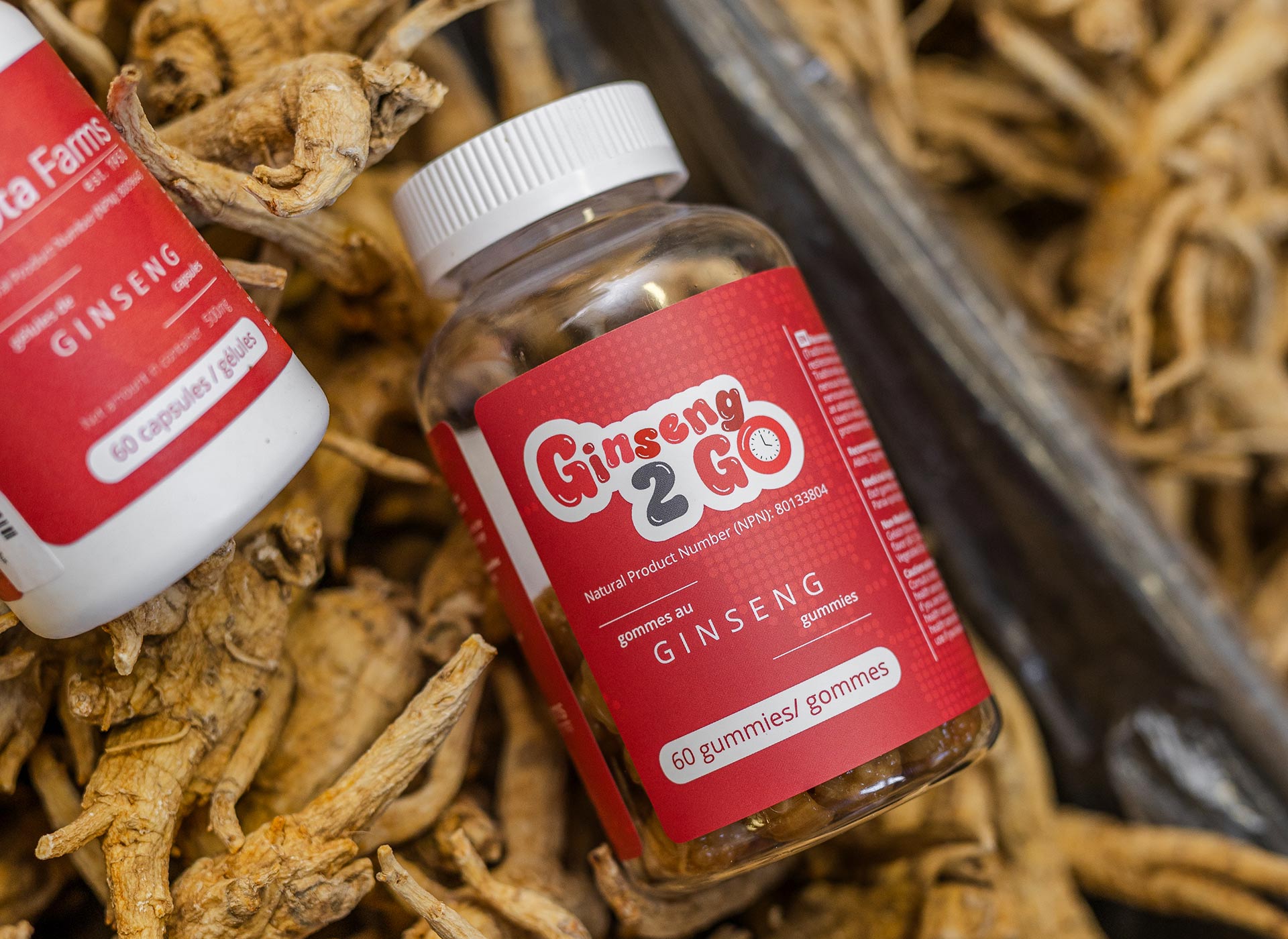
Along with traditional whole roots and powder, we offer capsules and, most recently, we’ve developed our Ginseng2GO gummies. They’re sugar-free, with that earthy ginseng taste and just a hint of pineapple.
Not everybody is going to buy a whole ginseng root and know exactly what to do with it. But they might try a gummy, and maybe that becomes their introduction to North American ginseng.
To me, that’s part of how we grow the market, not just for Tota Farms, but for Ontario ginseng as a whole.
Tell us a bit about the workers on your farm.
We couldn’t do any of this without the people who work alongside us.
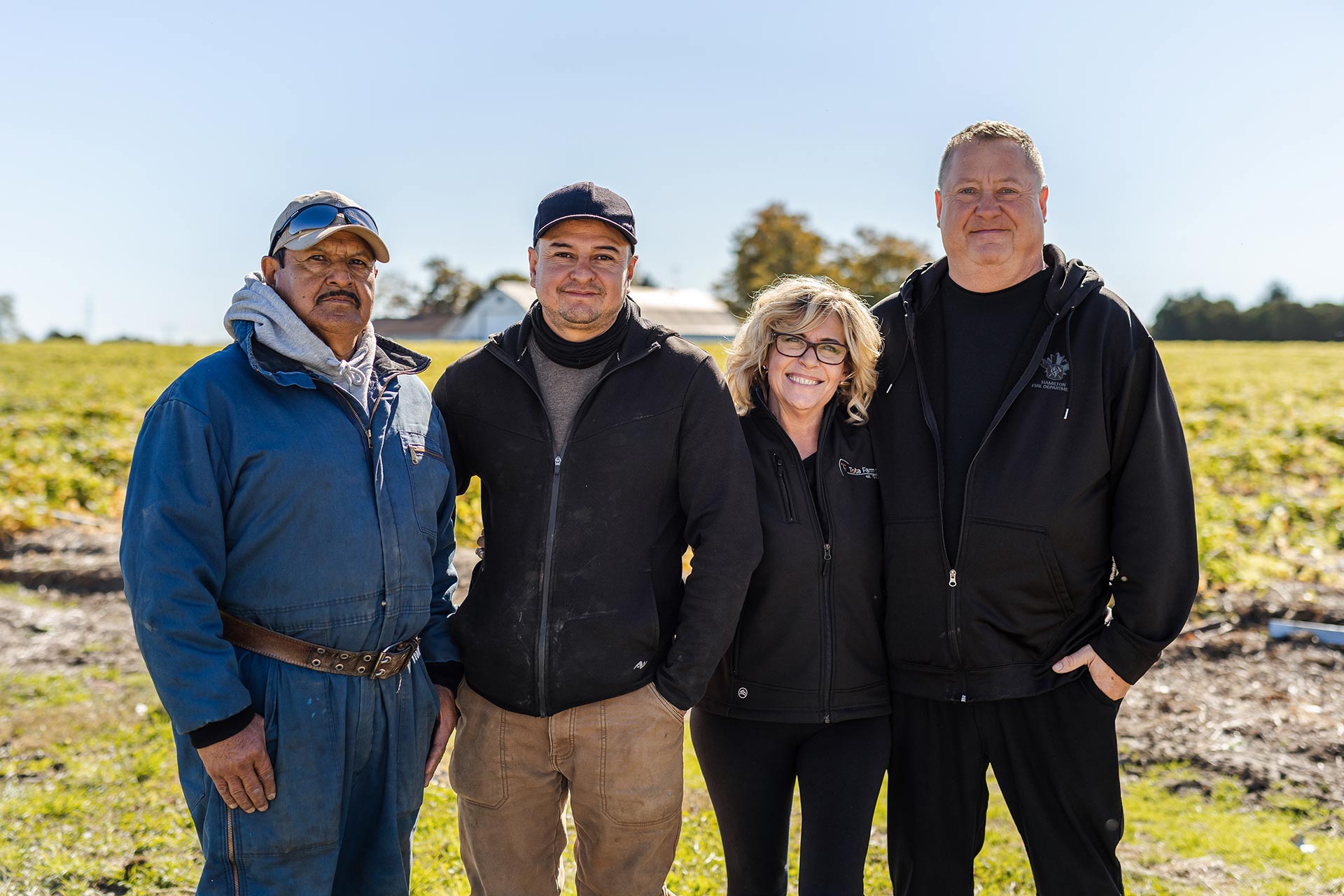
We have 52 seasonal workers from Mexico, along with our local employees. The majority of our Mexican workers return year after year, and many have been with us for more than three decades.
Quite a few now work alongside their own family members. We have brothers, cousins, fathers and sons. Over the years, you get to know their families, and they get to know yours.
It really is families working alongside families here at Tota Farms, and that’s something we’re very proud of.
What would you like to see for the future of ginseng farming in Ontario?
I’d love to see more people discover Ontario-grown ginseng. We need to keep building awareness, finding new customers and developing products and markets that may not even exist yet.
We also need to make sure that growers receive a fair return for what they produce. There are so many families who depend on this industry, from the farmers themselves to the local and seasonal workers who help make it all possible.
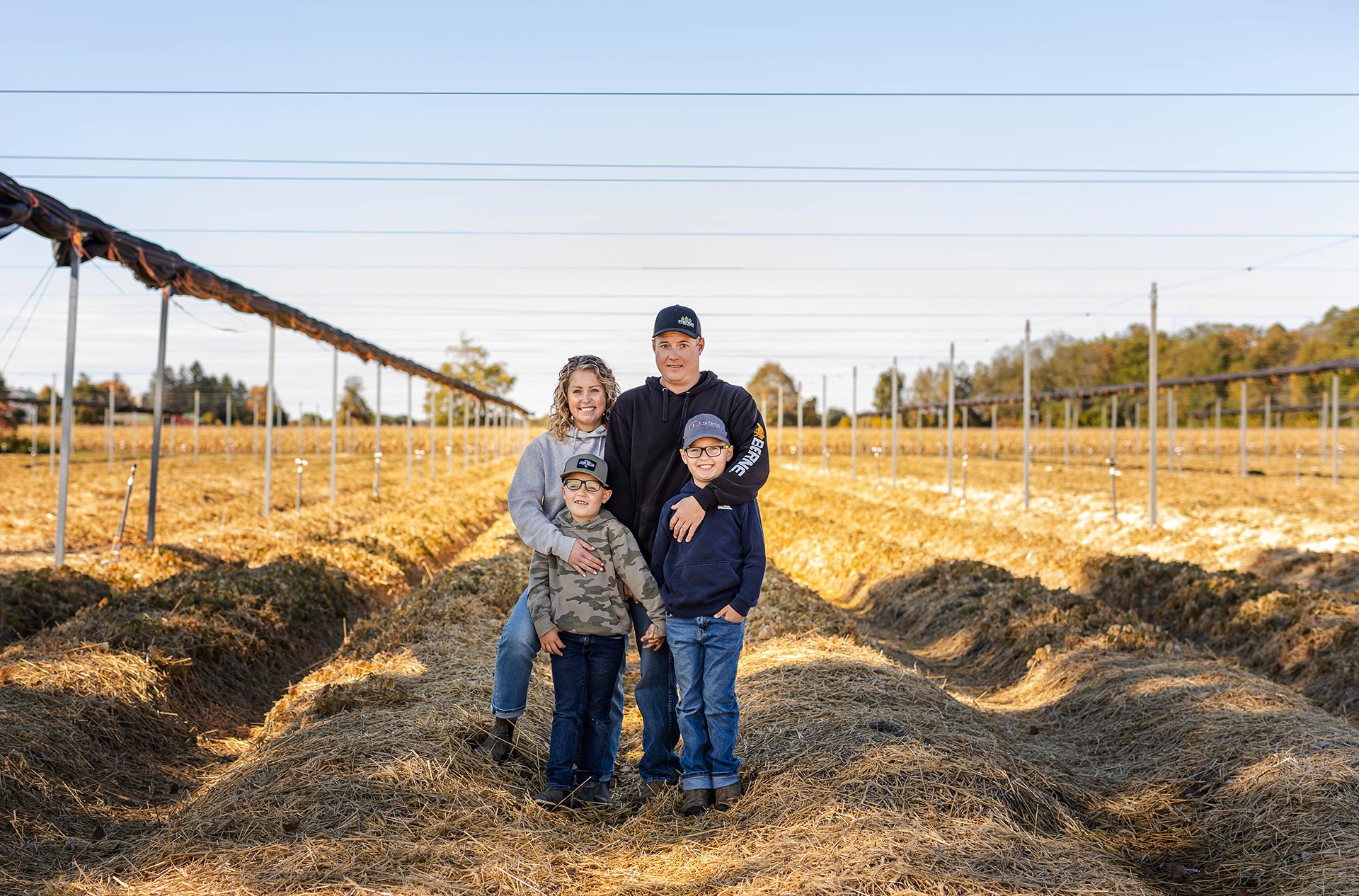
Tim and I have five grandsons. Whether any of those boys decides farming is for him, I have absolutely no idea. And that’s going to be their decision. But I’d like them to have the choice.
For that to happen, there has to be an industry worth coming back to.
What do you enjoy most about being a ginseng farmer?
I love that we’re part of a family business with such a long history, and that we’re continuing to find new ways to grow and adapt.
For me, it’s not just about growing the crop. It’s about the people, the families who depend on this business and the opportunities we can create for the next generation.
I think Ontario ginseng has a really exciting future if we can get better at telling its story and introducing it to the rest of the world.

