

Farmer Name: Bill Huffman
Farm Name: Huffman’s
Farm Location: Norfolk County, Ontario
Approximately how many acres are under your care?
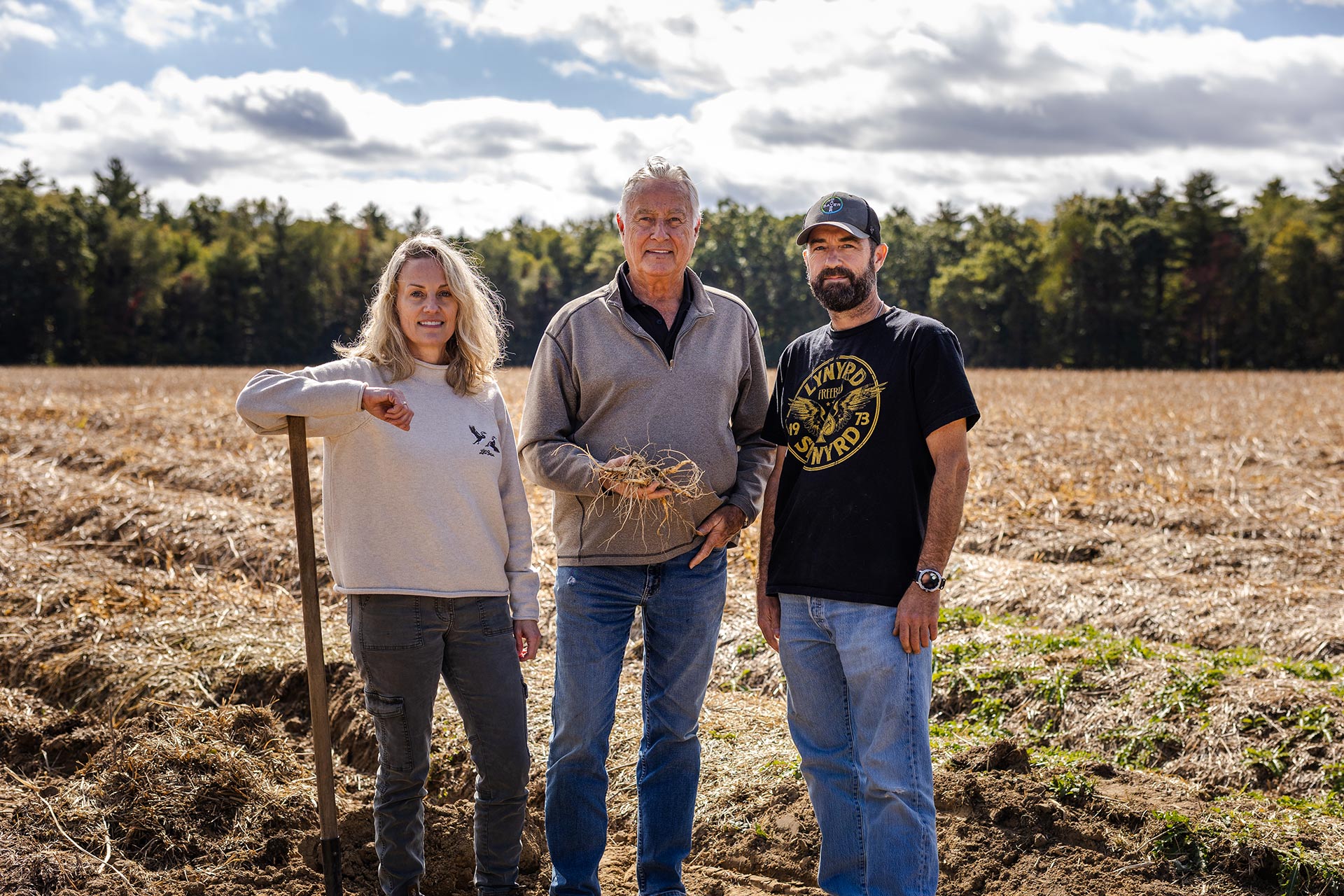
We farm approximately 2,300 acres across several locations in Norfolk County, including Vanessa, La Salette, Delhi, Silver Hill, and Glen Meyer. We currently have around 350 acres of ginseng under shade.
How long have you been farming? Is this a family farm?
Farming has been part of the Huffman family for nearly 200 years! Our roots in Ontario agriculture go back to 1830, when my ancestors first began farming here, before settling in Norfolk County in 1835.
The early generations of Huffmans farmed in the Northfield area, starting with apple orchards before eventually branching into tobacco. My grandfather, Archie Huffman, purchased tobacco quota in 1938, while my grandfather on my mother’s side, Isadore Verspeeten, had been growing tobacco in Norfolk County since 1925.
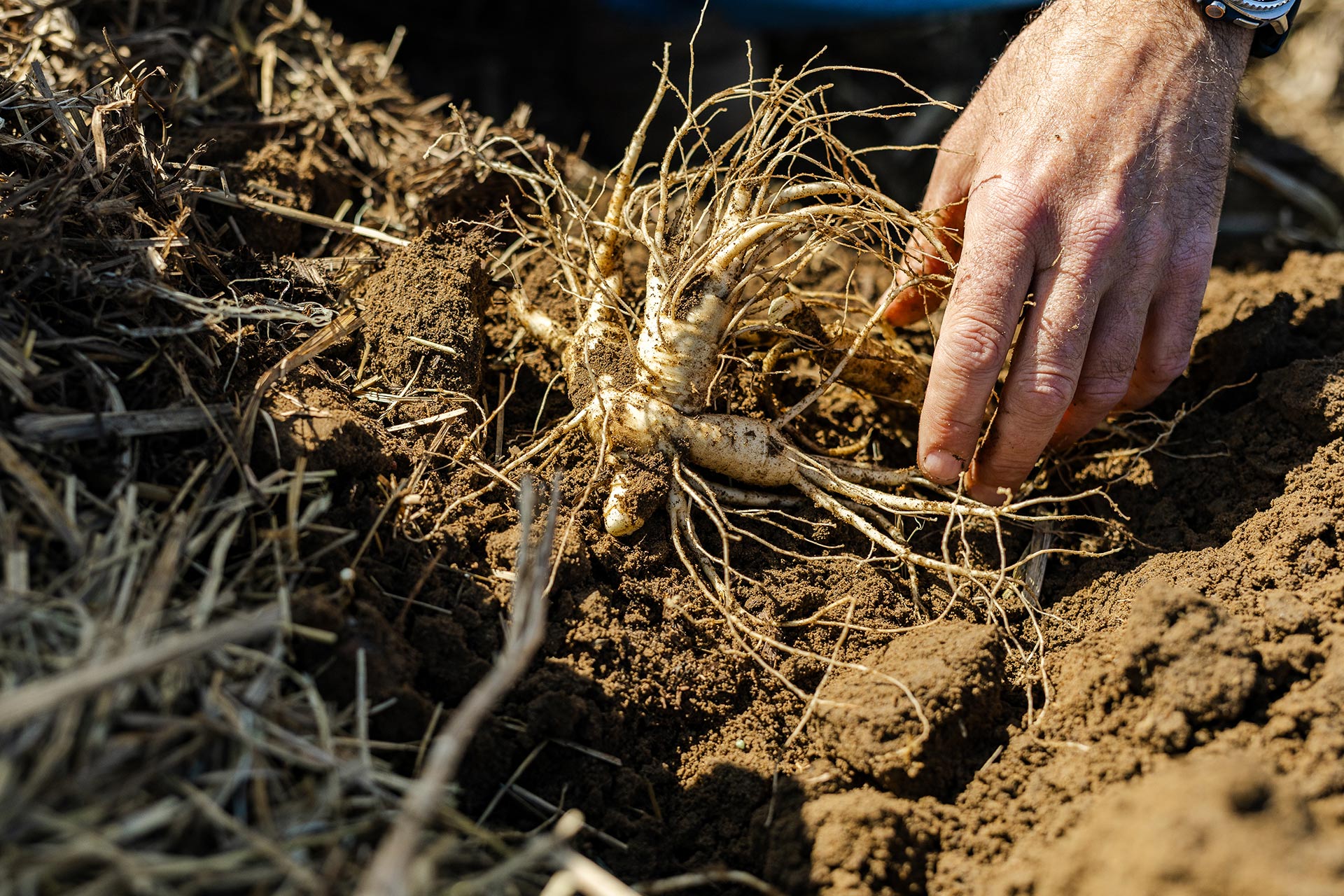
My father, Clare, was one of the early growers of ginseng in Canada. He was interested in the crop’s potential and even travelled to China in 1981 to learn more about it. I originally left farming to become an electrician, but my father’s enthusiasm for ginseng eventually brought me back to agriculture. I planted my first ginseng crop in 1983.
Today, I’m the sixth generation of Huffmans to farm in Norfolk County, and my children, William and Rachel, are the seventh. They’re also the third generation of our family to grow ginseng.
It’s pretty remarkable to look back and see how much has changed over the years. From apples and tobacco to ginseng, each generation has found new ways to adapt and keep the family farming tradition alive. And now it’s exciting to see the next generation take over and make their own mark on the business.
What other crops do you grow?
Along with ginseng, we grow corn, beans, and rye.
Why did you choose to become a farmer?
I grew up on a tobacco farm, so agriculture was always part of my life. But I actually left farming to become an electrician.
My father, Clare, was one of the early growers of ginseng in Canada. He was very interested in the crop and even travelled to China in 1981 to learn more about it.
He suggested that if I had some extra land, ginseng might be a good opportunity to explore. That encouragement is really what brought me back into farming, and I planted my first ginseng crop in 1983.
What unique challenges do ginseng growers face?
One of the biggest challenges today is marketing our crop and getting a good price for it. Input costs have gone up substantially, so there’s a lot of pressure on growers.
But I also believe that our job as farmers is to focus on growing good crops and achieving good yields. If we can consistently produce quality ginseng, we’re putting ourselves in a better position.
There’s a lot of hard work involved, and with rising costs, we need to make sure the return is there to keep farms operating.
How are you incorporating sustainability practices into your farm?
We use a lot of cover crops as part of our farming practices to help maintain and improve soil health.
We’re also in the very early stages of looking at bringing cattle back onto some of our land. The idea is to help build the soil and restore nutrients and micronutrients through livestock integration.
Maintaining healthy soil is an important part of keeping our land productive for the future.
Tell us a bit about the workers on your farm.
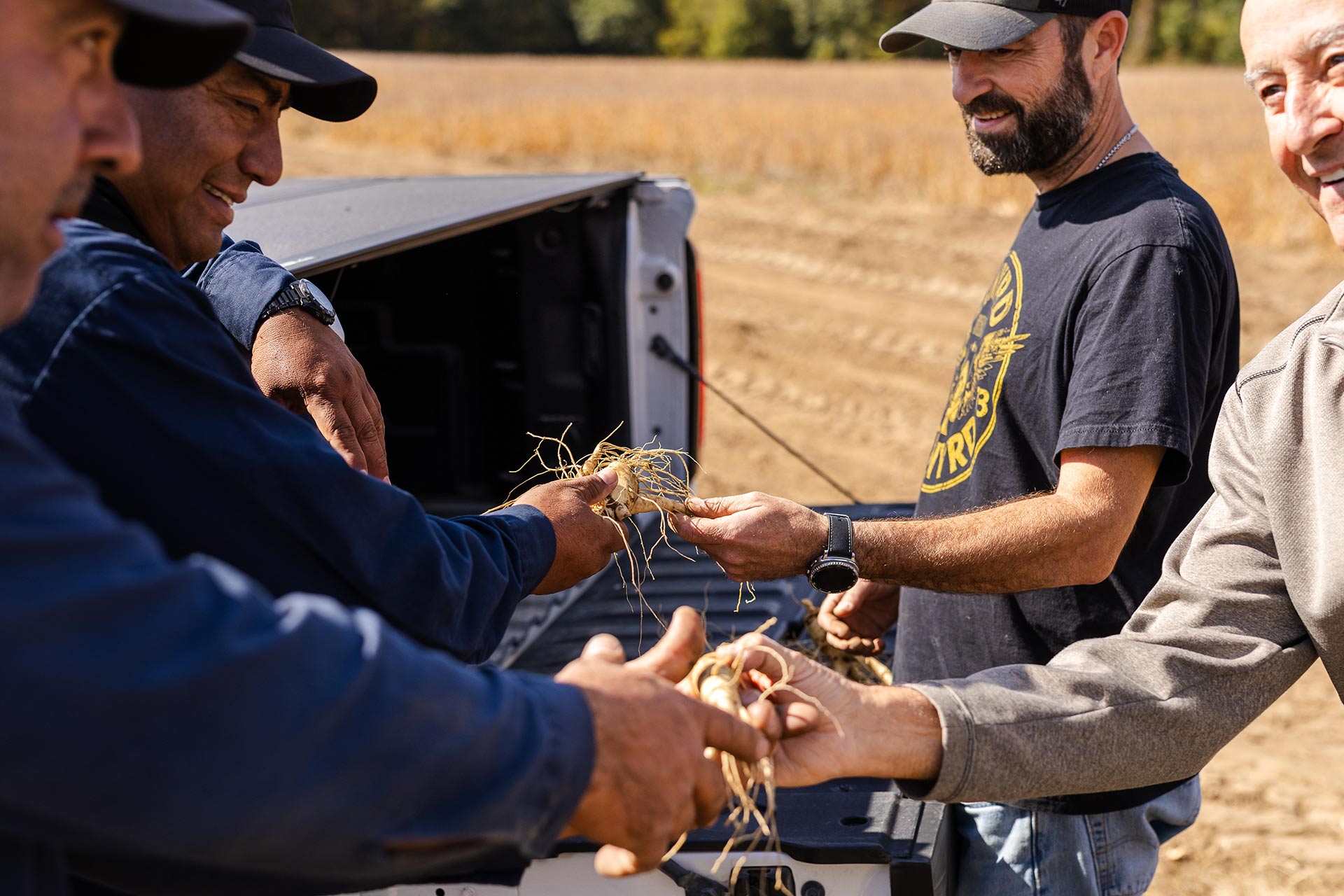
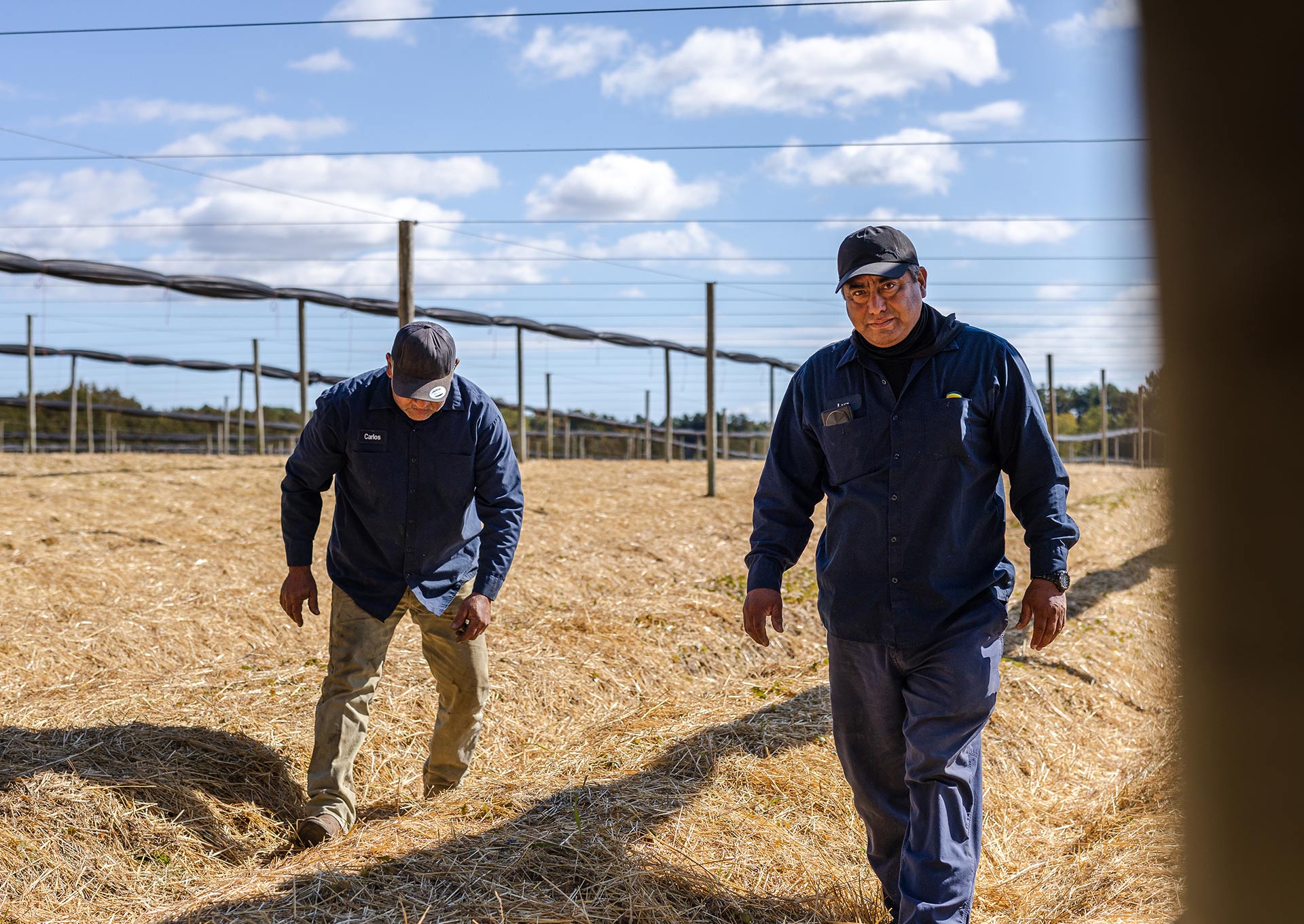
Our workers are a huge asset to the farm. They’re probably one of the most important parts of our operation, and I don’t know what we’d do without them.
One of the things I’m proud of is that farming allows us to provide employment and income for local families and for workers and their families in other parts of the world.
It’s meaningful to know that what we do here helps other people support their families and accomplish things in their own lives.
What would you like to see for the future of ginseng farming in Ontario?
I’d like to see the industry continue, but there are certainly challenges with rising costs and market prices.
I think the industry is also changing in terms of how people want to consume ginseng. Years ago, we sold whole roots, and that was what customers were looking for. Today, there’s more interest in sliced, powdered, and other value-added ginseng products that are convenient to use.
I think that’s where some of the opportunities are going to be in the future.
Ultimately, I’d like to see a strong industry that provides opportunities for the next generation of farmers.
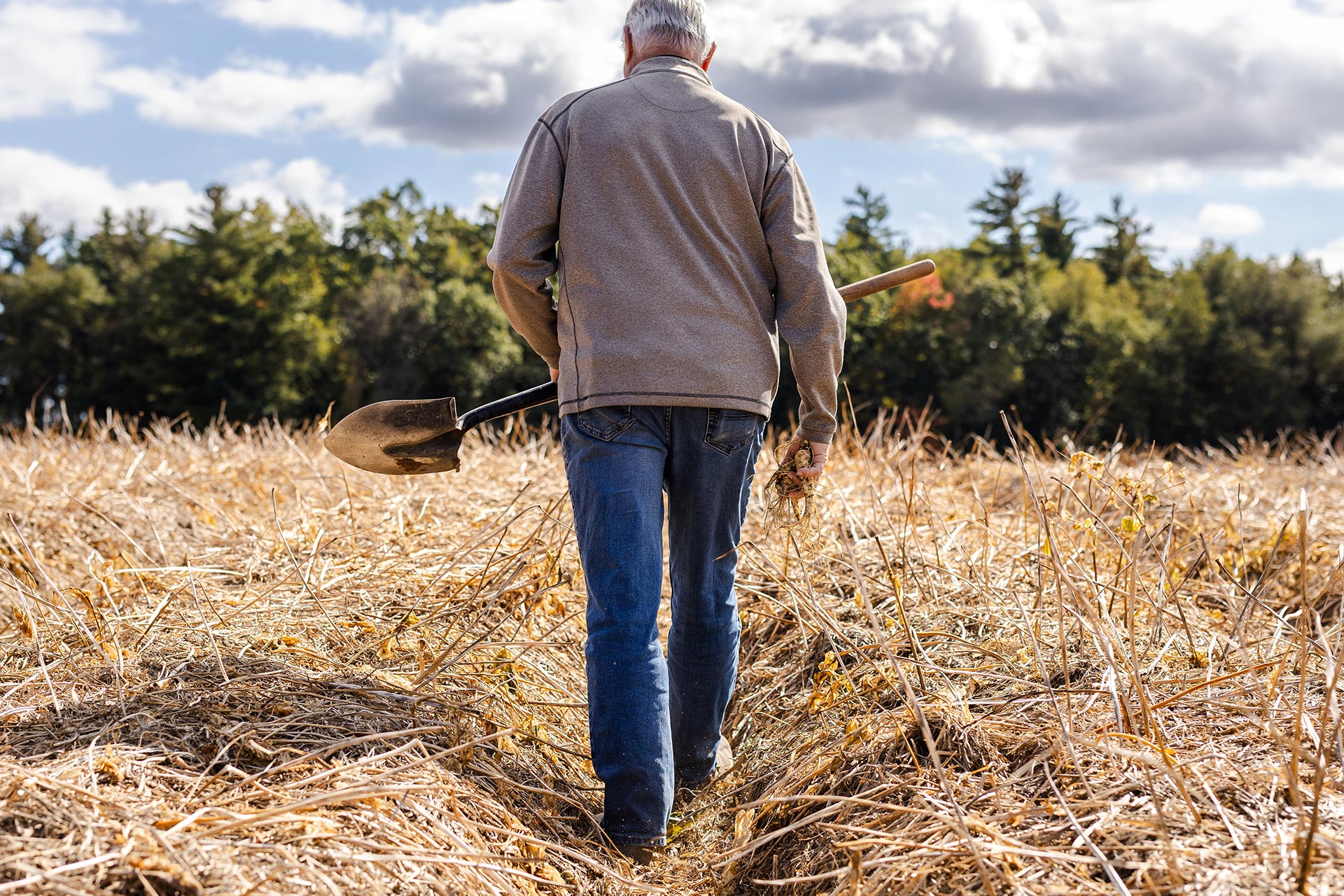
What do you enjoy most about being a ginseng farmer?
I enjoy spending my days outdoors. That’s probably the best part of farming, getting to enjoy the environment, being out on your land and meeting different people.
I also take pride in providing a future for my children if they decide to continue farming, and in being able to provide employment for others.
There are plenty of challenges, but those are the things that make farming worthwhile.

