

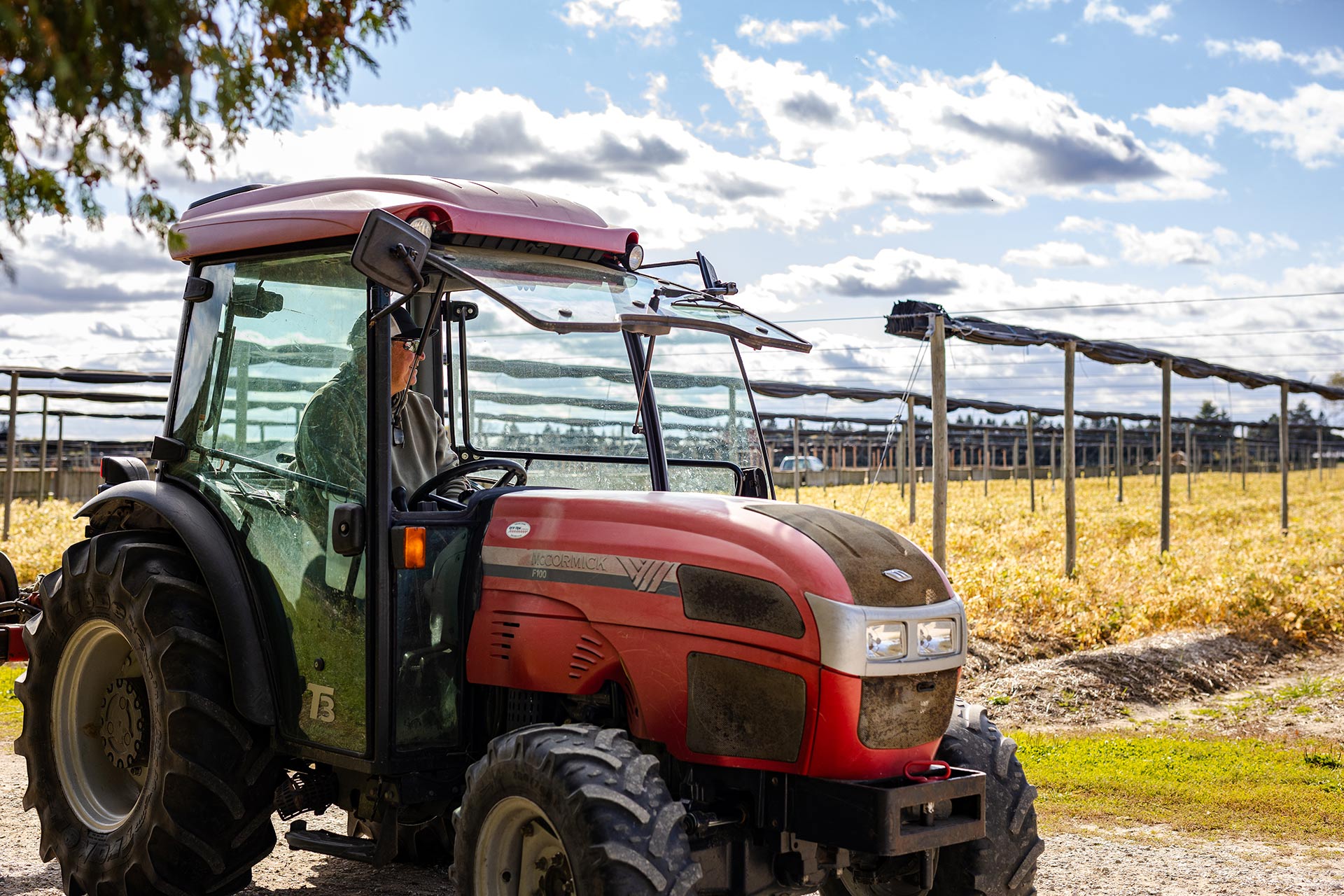
Farmer Name: Ed Dehooghe
Farm Name: Dalton White Farms
Farm Location: Norfolk County, Ontario
Approximately how many acres are under your care?
We currently plant approximately four acres of ginseng each year.
We also grow a variety of other crops, including asparagus, blueberries, hazelnuts, and cash crops.
How long have you been farming? Is this a family farm?
Our family has been farming in Norfolk County since 1869, when William and Hannah Dalton first settled on the outskirts of Delhi. That’s seven generations of farming on the same concession!
Over the years, the farm has passed through both sides of the family, and each generation has adapted the business to changing times. We’ve grown a lot of different crops, explored new opportunities and continued to diversify.
Today, my wife Sandy and I are still involved in the operation alongside our children and their families. It’s pretty special to see that farming tradition continue after more than 150 years.
What other crops do you grow?
We’ve always been interested in diversification and trying different crops.
Tobacco was our main crop for many years, but over time we’ve expanded into other areas of agriculture. Today, we grow asparagus, blueberries, hazelnuts, and a variety of cash crops.
Over the years, we’ve also grown green onions, strawberries and sweet corn, and participated in trials involving specialty crops such as stevia.
Why did you choose to grow ginseng?
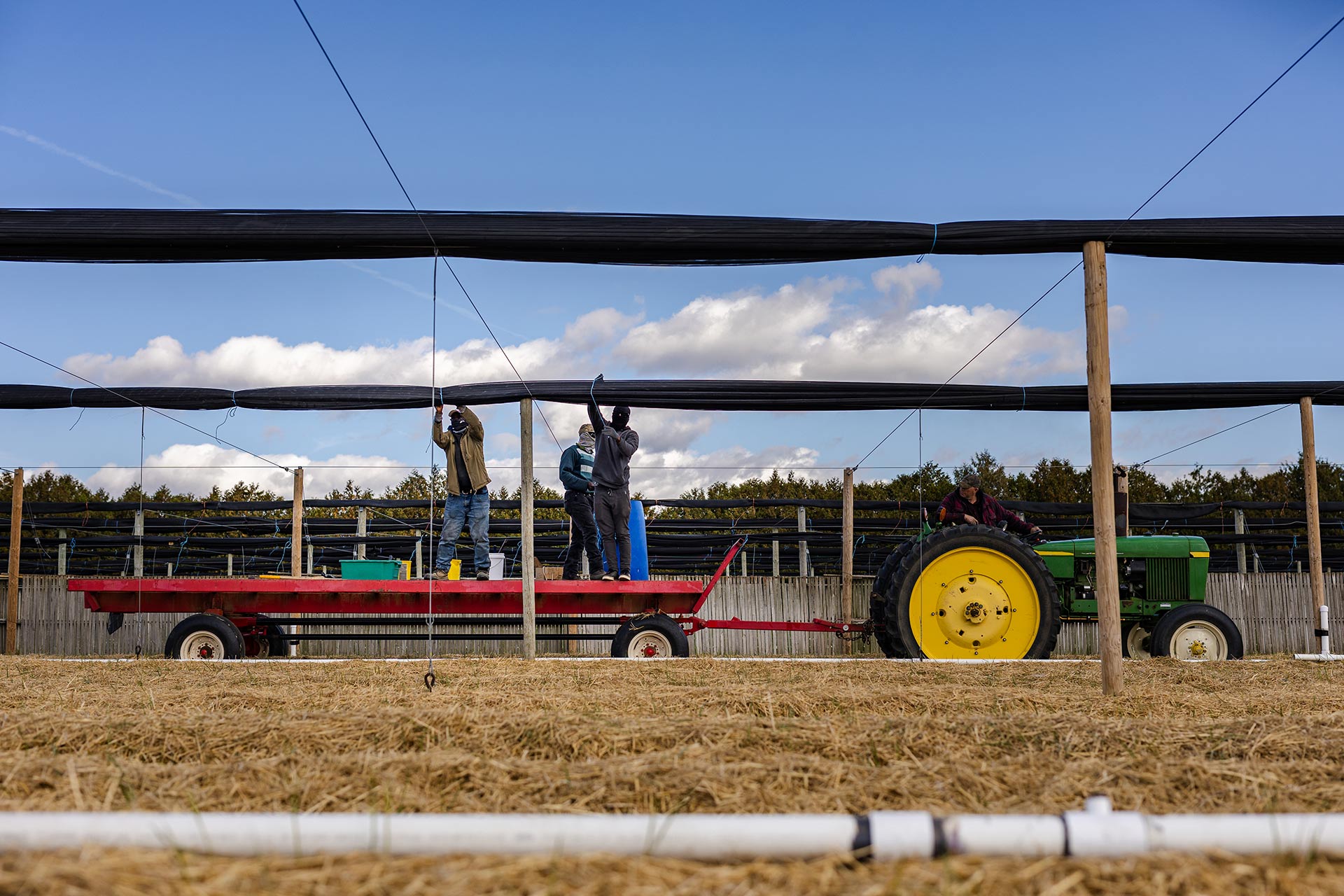
Ginseng is one of the newer crops on our farm. We’ve been growing it for approximately 10 years now.
We’ve always been interested in trying different crops, and living in Norfolk County, you’re surrounded by ginseng farms. It’s a crop that’s well suited to the area’s sandy soils, and it was something I’d wanted to try for a long time.
What unique challenges do ginseng growers face?
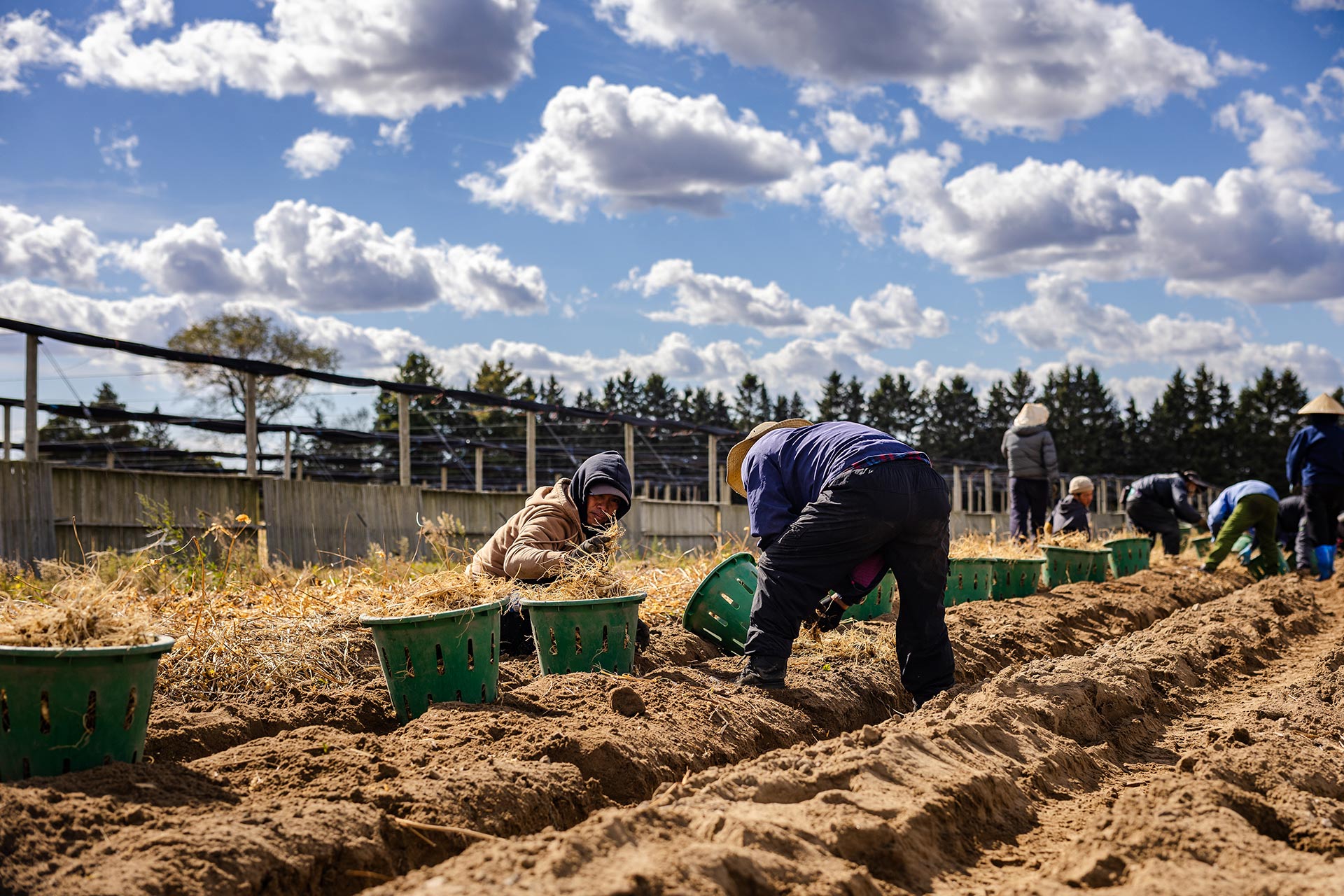
Ginseng is a challenging crop because there’s so much time, work, and investment involved before you ever get to harvest. You’re growing a crop for four or five years, and a lot can happen in that time. From weather and soil conditions to managing the shade structures, there’s always something to keep an eye on.
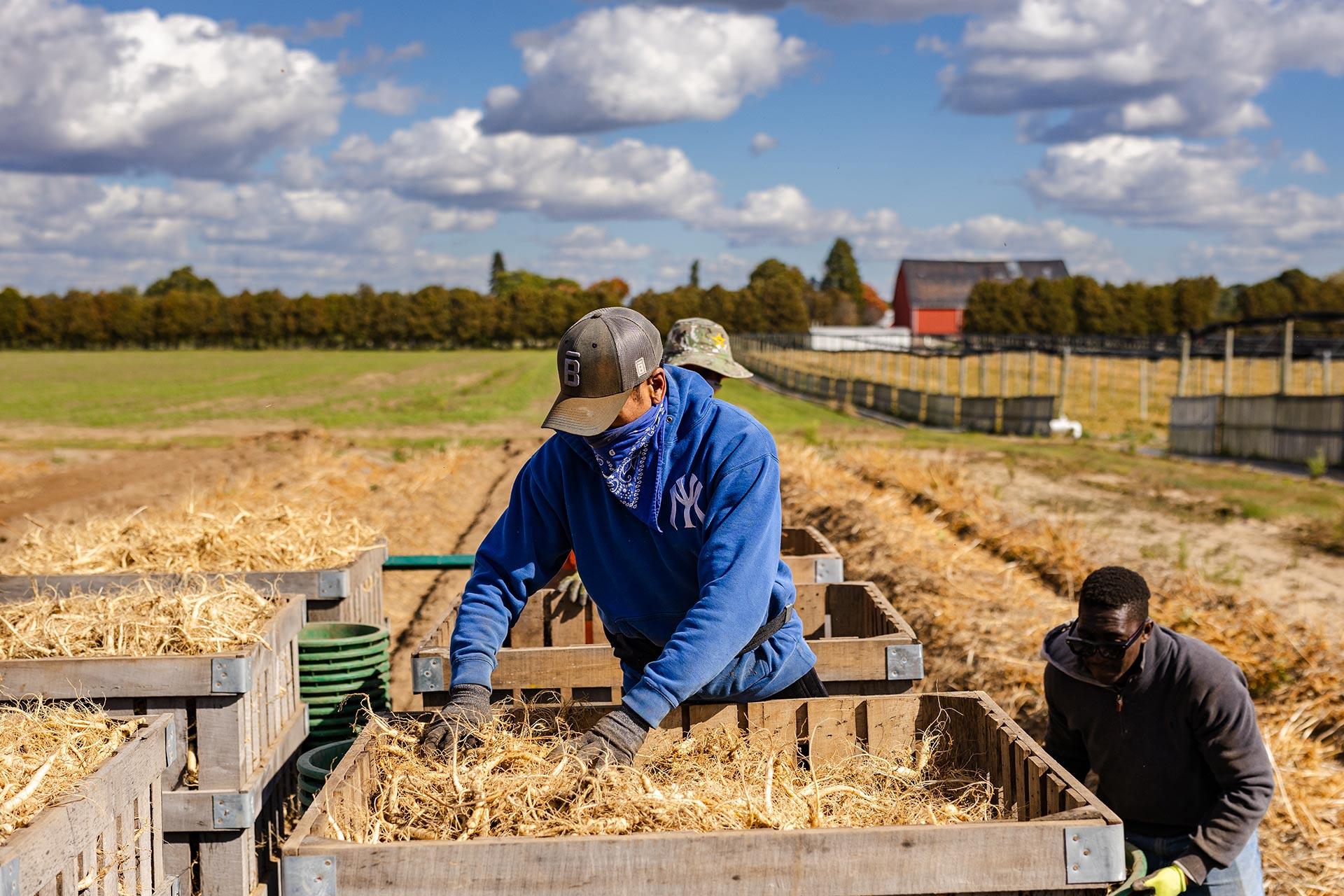
Even harvesting has its challenges. We share our harvesting equipment with other local ginseng growers, so timing is everything. Usually, we only have access to the equipment for one day, which means we have to get everything done in a pretty tight window.
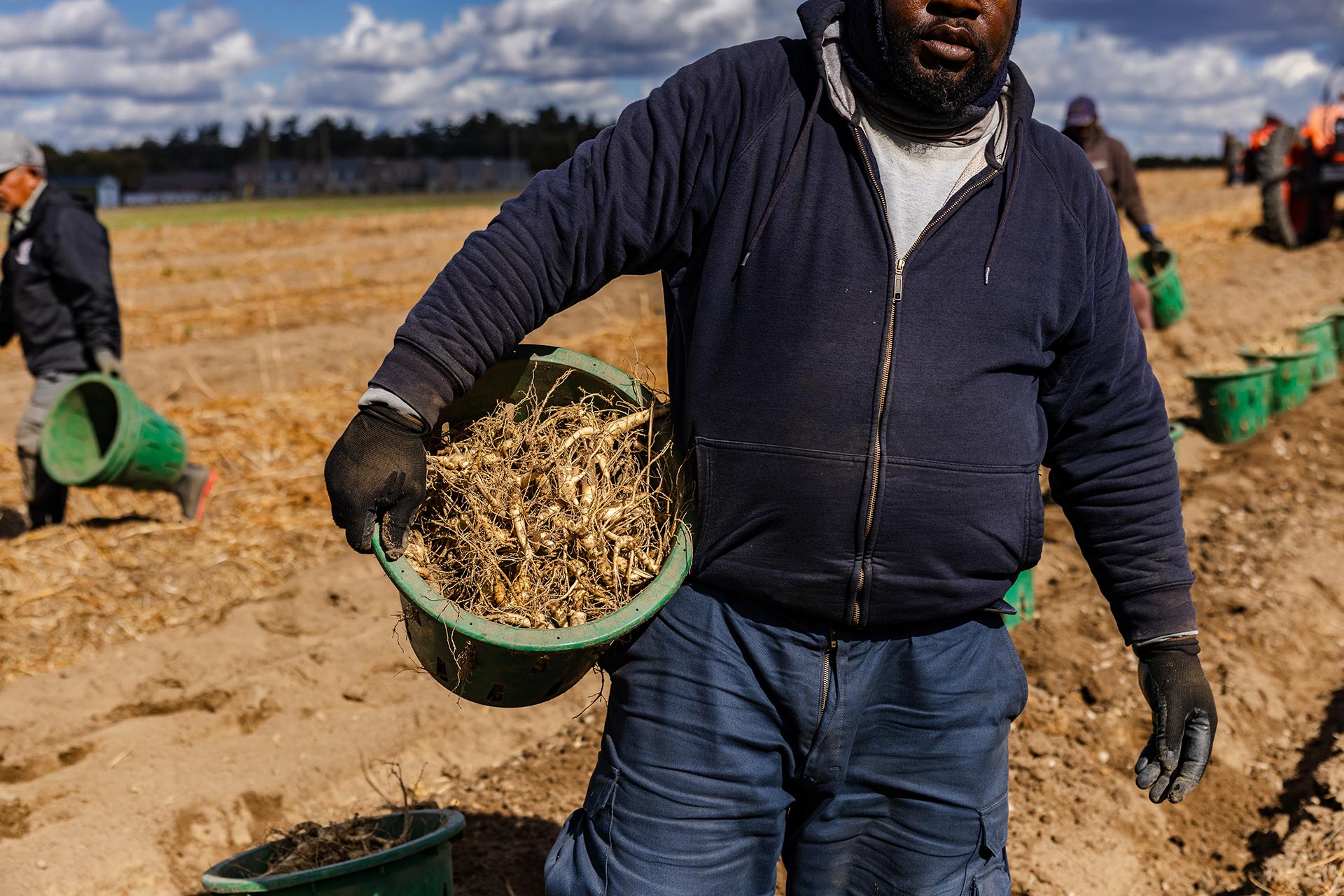
This year, we’re harvesting a five-year-old crop, and for the first time, we have the opportunity to do a double dig. That means going back over the field a second time to collect any roots that were missed on the first pass. It’s something we’ve never had the time or equipment availability to do before, so I’m pretty excited about it!
After putting five years into growing a crop, you want to make sure you’re getting as much of that harvest out of the ground as possible.
Are your family members part of the farming operation?
Absolutely. Farming has always been a family affair, and we’re now into our seventh generation.
My wife Sandy and I work alongside our daughter Rebecca and her husband Perry, who are involved in the fruit and vegetable side of the business and have continued to expand our farm market.
Our son Brian and his wife Jessica raise purebred Angus cattle under their Legendary Beef brand.
It’s been rewarding to see the next generation bring their own interests and ideas into the business. That’s really how our farm has continued to grow and change over the years.
Tell us a bit about the workers on your farm.
Our farm has participated in the seasonal agricultural worker program since 1989, bringing workers from Mexico and Jamaica to help with our agricultural operations.
We began working with employees from Jamaica in approximately 2002, and today we welcome around 40 seasonal workers each year.
Our busiest periods are in the spring and summer, when much of the work on our different crops takes place. As the season winds down, our workforce becomes smaller.
What would you like to see for the future of ginseng farming in Ontario?
Our family’s been farming for more than 150 years, and one thing we’ve learned is that agriculture is always changing. Every generation has had to adapt, whether that’s growing different crops, exploring new markets or finding new ways to connect with customers.

